A research team, affiliated with UNIST has unveiled a novel approach to halt the progression of colorectal cancer by inducing irreversible cellular aging. Their findings demonstrate that suppressing a neural protein called NSMF can effectively stop cancer cell proliferation.
Led by Professor Young Chan Chae of the Department of Biological Sciences, the team revealed that NSMF plays a crucial role in managing replication stress—an abnormal condition caused by rapid DNA duplication in cancer cells. Normally, this stress helps cancer evolve, but excessive stress can damage DNA and trigger cell death or senescence.
In colorectal cancer cells, NSMF acts as a key regulator that alleviates replication stress, protecting DNA integrity and supporting continued cell division. When NSMF expression is reduced, however, the cells experience overwhelming DNA damage, slow down replication, and enter a state of permanent aging. This process effectively prevents tumor growth.
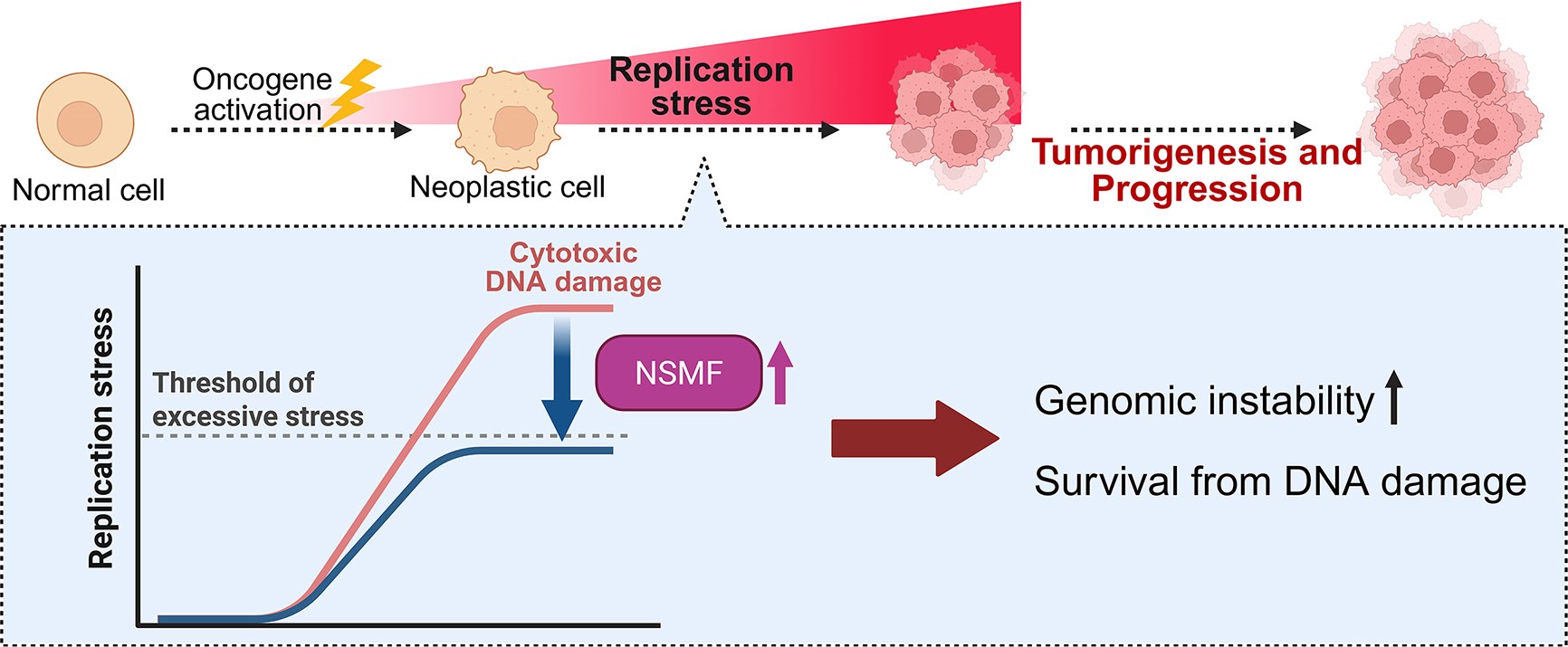 Figure 1. Schematic image illustrating the overall study of the research.
Cell-based experiments showed that inhibiting NSMF increased replication stress, caused DNA double-strand breaks, and led to cell cycle arrest. These damaged cells adopted markers of senescence, effectively halting their ability to divide.
Animal studies corroborated these results. In a mouse model predisposed to colorectal cancer, NSMF suppression resulted in fewer tumors and significantly prolonged survival—by approximately 33.5% compared to untreated controls. Importantly, normal intestinal tissues showed no adverse effects, indicating that targeting NSMF could selectively impair cancer cells without damaging healthy tissue.
Dr. Kyeong Jin Shin, lead author of the study, explained, “Our findings suggest that NSMF is a promising therapeutic target. By inducing a state of permanent aging in cancer cells, we can effectively stop tumor growth without harming normal tissues.”
Professor Chae added, “This research uncovers a previously unknown role for NSMF in colorectal cancer. Developing inhibitors against this protein could offer a novel treatment approach that causes cancer cells to naturally age and die, providing a potential new avenue for therapy.”
The findings of this research have been published online in Nucleic Acids Research on January 14, 2026. Supported by the National Research Foundation of Korea (NRF), this study highlights an innovative strategy for cancer treatment and underscores the importance of targeting replication stress regulators for improved therapeutic outcomes.
Journal Reference
Kyeong Jin Shin, Yu Jin Lee, Gyuri Kim, et al., “NSMF modulates replication stress to facilitate colorectal cancer progression,” Nucl. Acids Res., (2026).