A UNIST faculty startup has secured significant U.S. funding, marking a major milestone in its global commercialization efforts.
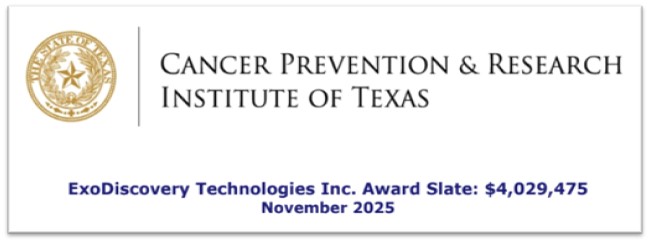
ExoDiscovery Technologies Inc., a U.S.-based startup founded on exosome-capture technology developed in the laboratory of Professor Yoon-Kyoung Cho in the Department of Biomedical Engineering at UNIST was awarded a $4 million Texas Device and Diagnostics Company Award (Approx. KRW 5.5 billion) by the Cancer Prevention and Research Institute of Texas (CPRIT). This positions the company at the forefront of diagnostics and medical device innovation in Texas.
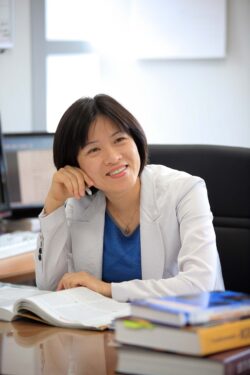
Yoon-Kyoung Cho, Dean of the College of Information and Biotechnology and Professor in the Department of Biomedical Engineering at UNIST.
The company is developing EDM (ExoDiscovery Monitor), a liquid biopsy platform designed to analyze intact exosomes from blood samples. This platform demonstrated strong competitiveness in the evaluation, particularly for early detection and treatment monitoring of non-small cell lung cancer (NSCLC), positioning ExoDiscovery at the forefront of diagnostics and medical device innovation in Texas.
CPRIT is the second-largest cancer research funding body in the U.S. after the National Cancer Institute (NCI). This year, it awarded USD 154 million across 73 projects, with ExoDiscovery ranking first among Texas-based diagnostics and medical device awardees.
The core technology isolates exosomes without damaging their ultrastructure, preserving critical biological information from cancer cells and improving diagnostic accuracy. The EDM system can detect cancer-related genetic signals in real time, offering sensitivity up to 10,000 times greater than traditional circulating tumor DNA (ctDNA) tests. Results are delivered within one day, accelerating therapeutic decisions, while costs are estimated to be up to 80% lower based on U.S. Medicare standards.
Earlier this year, ExoDiscovery established a CLIA-certified laboratory in Cedar Park, Texas, enabling diagnostic services prior to full FDA clearance. The company plans to pursue FDA authorization for its reagents and instruments for broader use in clinical laboratories globally.
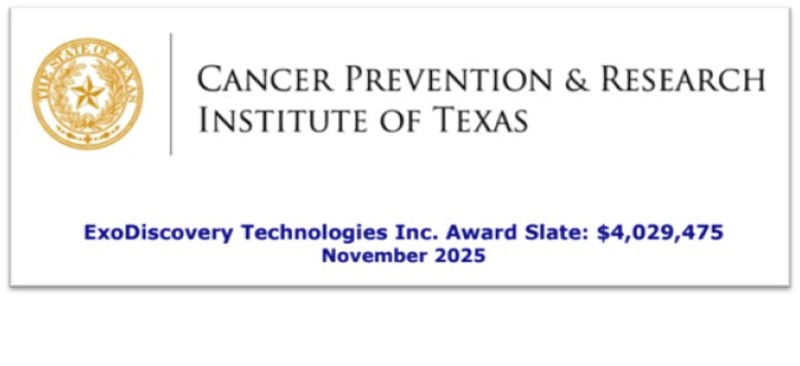
▲ ExoDiscovery has been selected for CPRIT funding, securing KRW 5.5 billion over three years.
Over the next three years, CPRIT funding will support clinical validation, system automation, and technology refinement. ExoDiscovery is also expanding collaborations with University of Texas medical schools and local industry partners while exploring applications beyond oncology.
ExoDiscovery traces its roots to LabSpinner Inc., an exosome-focused startup established in 2018. LabSpinner licensed Professor Cho’s lab-on-a-disc exosome isolation technology in 2019 and developed it toward clinical translation in the U.S., supported by the Ministry of Science and ICT’s Innopolis Innotown Project and the UNIST–UCSD Global Entrepreneur Accelerator (GEA) program.

Professor Yoon-Kyoung Cho developed lab-on-a-disc technology for both academic and industrial applications. When blood is introduced into this device and spun, cellular materials, including exosomes, are separated through centrifugal force.
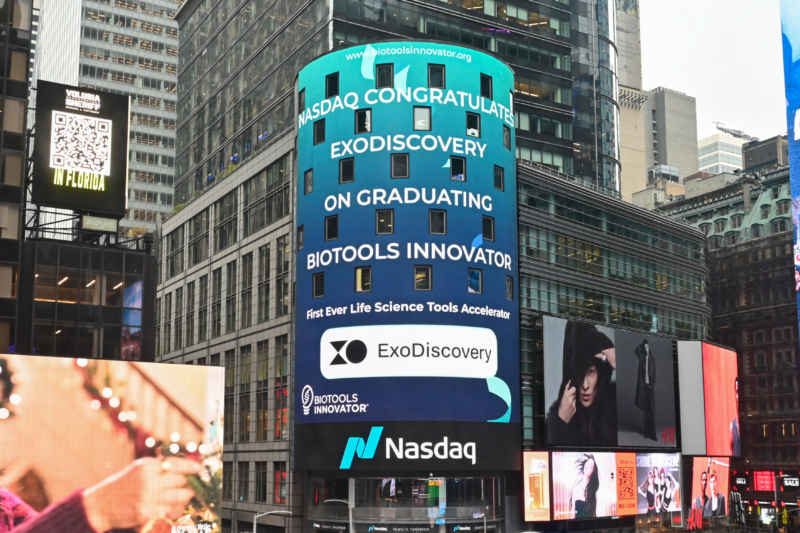
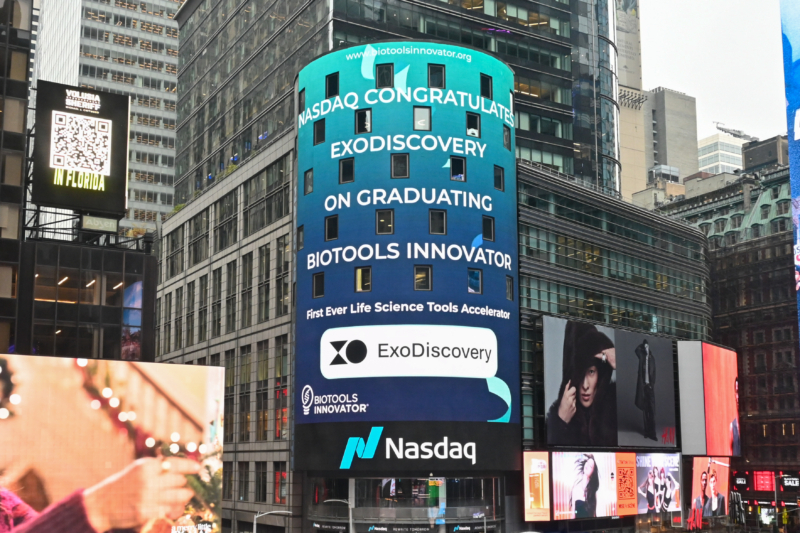
The company further expanded its U.S. presence through participation in leading accelerator programs, including MassChallenge, NYU EFL, and BioTools, before establishing its U.S. subsidiary and relocating its headquarters earlier this year.
Additionally, ExoDiscovery secured a five-year KRW 5.5 billion grant from the Ministry of Trade, Industry, and Energy (MOTIE) of Korea for a smart healthcare project based on urine analysis. Today, the company serves as a member company of the Extracellular Vesicles Industry Association (EVIA), further accelerating its global market expansion.
Youngsik Kim, Director of the UNIST Office of Industry–University Cooperation, remarked, “This achievement demonstrates how UNIST technologies can evolve into successful startups and thrive in global markets. Securing major U.S. public funding underscores the international potential of UNIST-founded companies.”